

Equipment Leasing Pitfalls
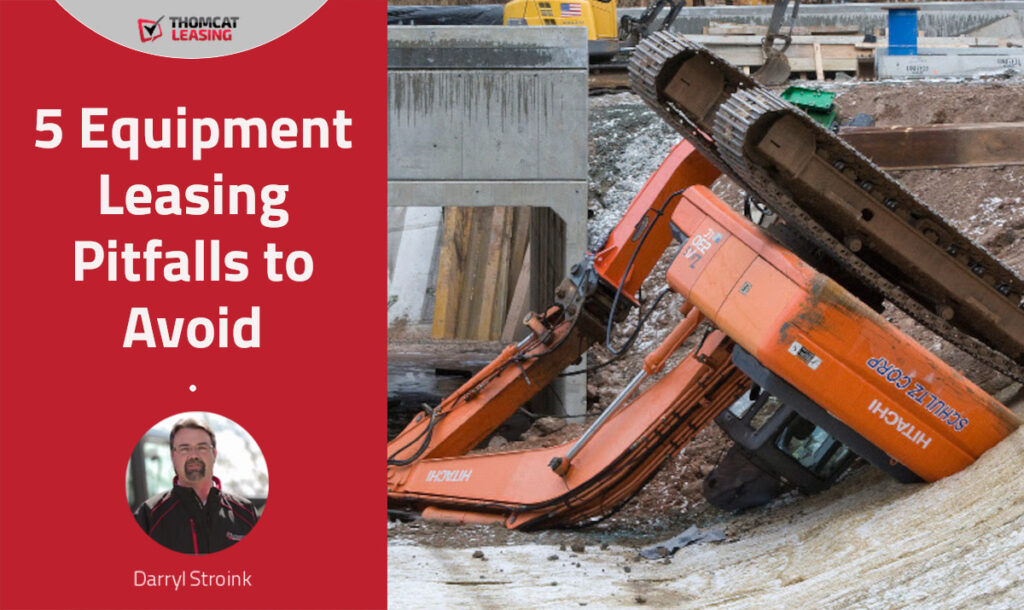
Don’t Make these 5 Common Errors
Learn how to avoid some of the most common equipment leasing mistakes. Make more money for you and your business with your next lease.
Learn how to avoid some of the most common equipment leasing mistakes. Make more money for you and your business with your next lease.
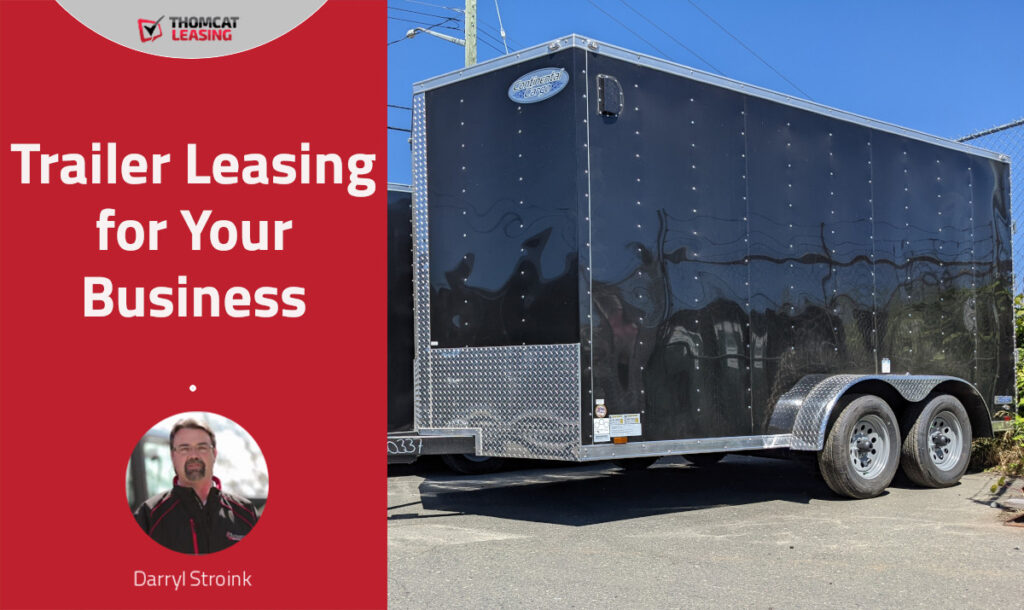
The perfect trailer is hard to find, so many businesses turn to customization. But customizing your trailer adds to your upfront costs. So how can you lower your startup costs and still get the right features? Leasing gives you the power to get the trailer you want.
Leasing is a great way for you to get the business equipment you need faster and with lower upfront costs than buying. Find out more about what equipment leasing is, how it works, and what to expect if you decide you want to apply for a lease.
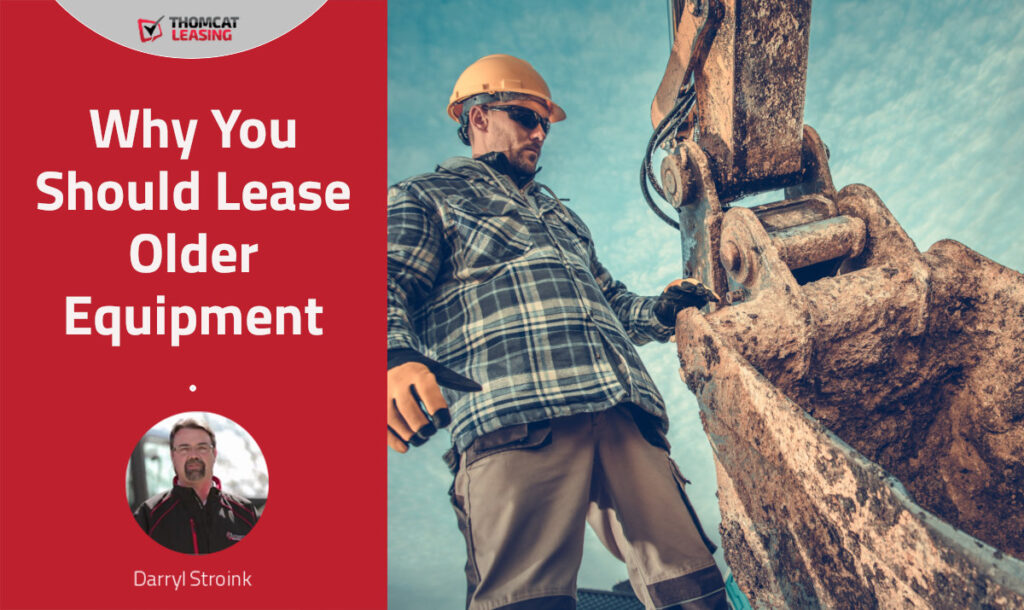
Leasing older used models can be one of the most affordable ways to get the heavy equipment your business needs. Find out how to make used equipment leasing work for you!
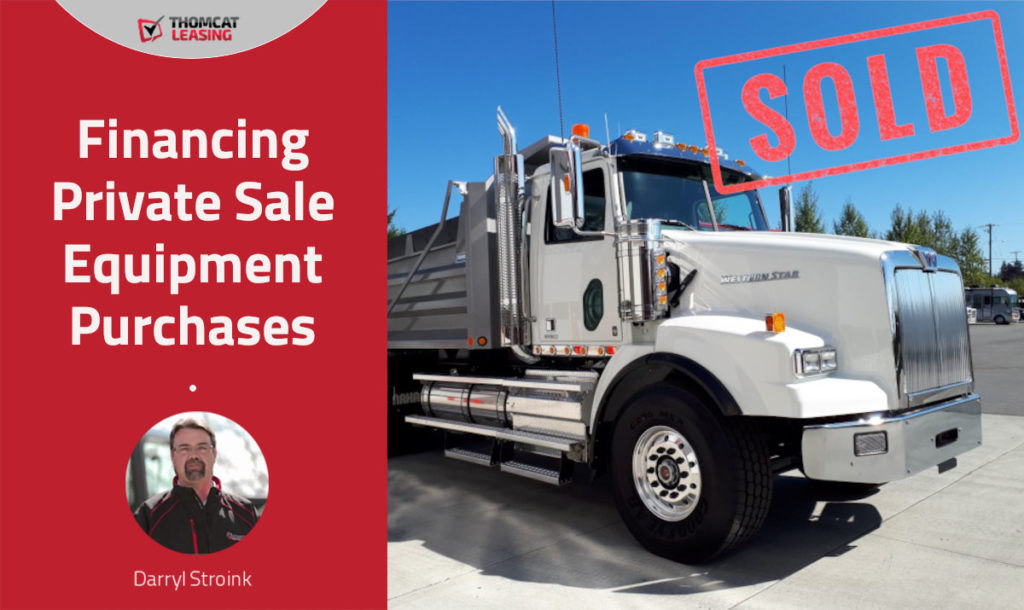
A lot of people don’t know that you can get a lease to pay for private sale equipment. Leasing isn’t just for when you buy from a dealership.
Lease-to-own is great for private sales if you want to spend less up front and close the deal without the hassle of a loan. Find out how quick and easy it can be!
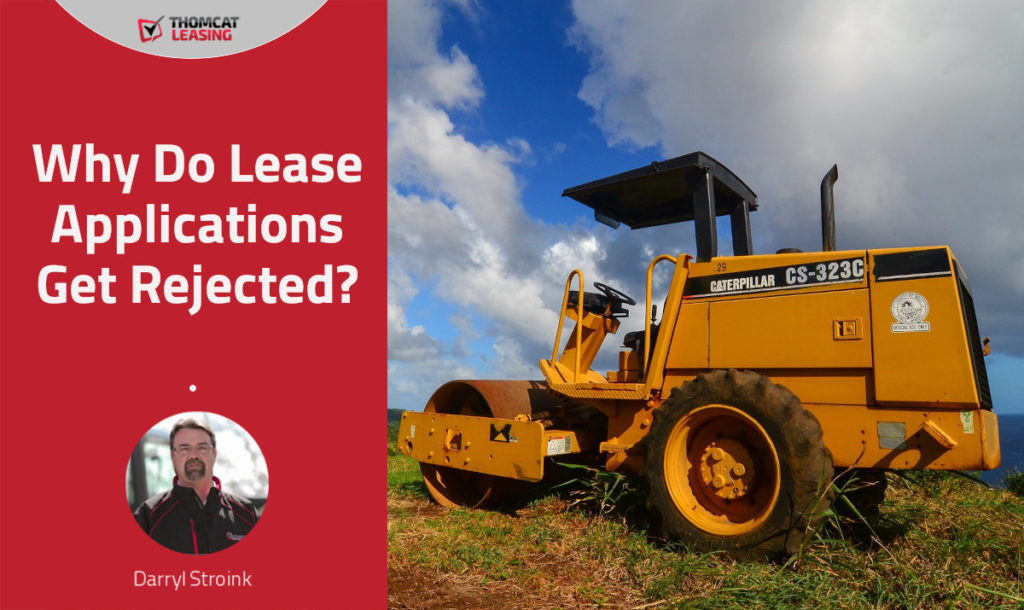
Rejection is frustrating when you’re trying to build your business. But it doesn’t mean you can never get equipment lease financing. Improve your chances with this short guide.
Leasing is a great option if you want to lower your upfront equipment purchasing costs. With equipment leasing, you are able to spread out your payments on a schedule that works for you plus saves you money on taxes.
With an equipment lease, you can expect:
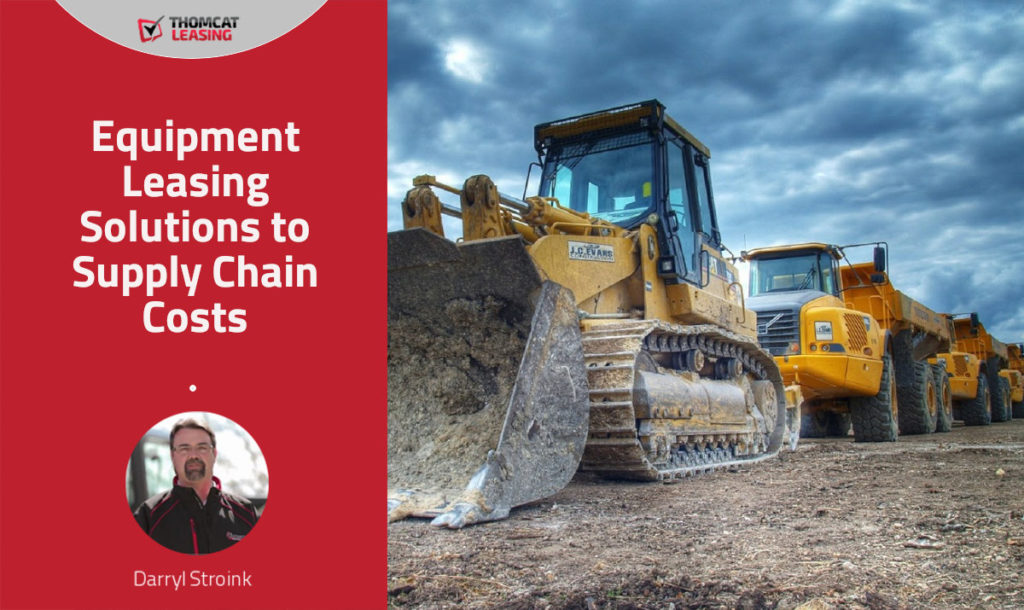
It’s no secret that the supply chain crisis is driving up the costs of doing business and making it harder to find the heavy equipment that you need.
Competition for used equipment was already fierce at the end of last year, when it was reported that earthmover, truck, tractor, and other equipment prices were at least 25% higher than in late 2020. Then November’s flooding and mudslides cut the rail lines and highways in BC, slowing down the flow of new parts and equipment coming into Canada through the port of Vancouver.
So what can you do about it? Get creative with a leasing strategy that keeps you making money despite supply chain disruption!
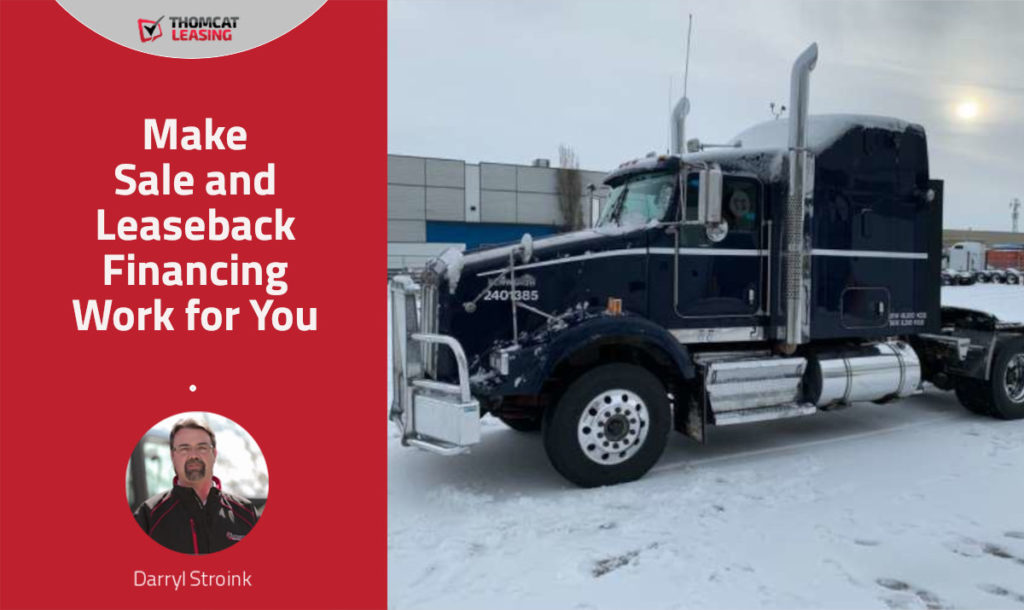
Did you know there’s a way to sell your equipment and without losing it? Yes, you get cash from the sale and keep using the equipment.
That’s called sale and leaseback financing.
It might be a good option for you if:
Sale and leaseback – leaseback for short – is a way to turn the equity in your assets into cash. The way it works is that you sell the equipment to a leasing company and then lease it back right away. You still have the equipment and you can keep using it like before. It’s your best option if you want to have your cake and eat it too.
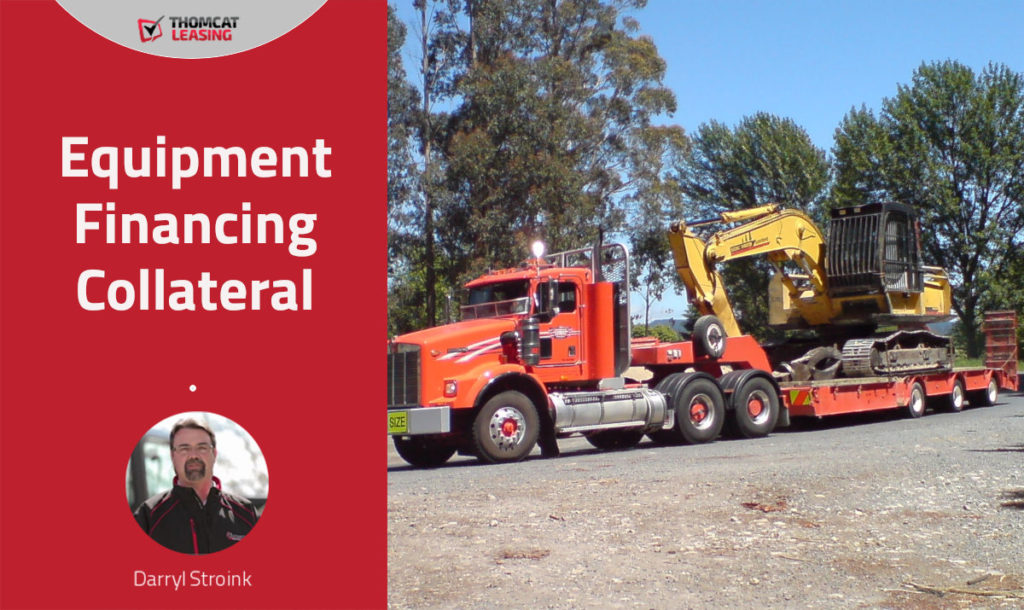
Collateral is an asset(s) a lender accepts as security for a loan, finance, or lease. It is something you would commit to guarantee a loan. Almost all equipment, vehicle, or home loans will require some sort of collateral assets.
Loan collateral is purely for the protection of the lender. The lender wants to ensure you will pay for the loan or lease they are providing to you. Thus, if you default on your payments, it is possible that the lender may attempt to repossess an asset or put a lien on it.
The more confidence you can give the lender in your ability to pay back the loan, the more likely you will get approved with better terms.
So how does collateral work in equipment financing and equipment leasing? Let’s explore…